Cold weather is the one place where lithium asks for care that lead acid never did. A LiFePO4 battery will happily power your lights and fridge deep into the cold, but it draws a hard line at charging when the cells are near freezing.
That line is the low temperature cutoff, and the first time it trips it can feel like a failure. It is the opposite. It is the battery protecting itself from real, permanent harm.
What actually happens in a cold cell

When you charge a lithium cell below freezing, the lithium does not tuck neatly into the structure the way it should. Instead it plates onto the surface as metallic lithium. That plating is permanent, it steals capacity, and in the worst cases it can create internal shorts.
Discharging cold is fine. Pulling energy out does not cause plating, so your bank still runs the loads. It is specifically charging a cold cell that does the damage, which is why the cutoff only blocks the incoming current. The broader picture is in the pillar on why a lithium battery will not charge.
Warning: Never bypass the low temperature cutoff to force a charge in the cold. You will trade a few minutes of convenience for permanent capacity loss and a voided warranty.
Where the numbers land
Most LiFePO4 banks stop accepting charge at or just below 32 degrees Fahrenheit. Many allow discharge far colder, often to around minus 4 Fahrenheit, so heat and lights keep working even when charging is paused.
The cutoff reads cell temperature, not the air outside. A sensor inside the battery watches the pack, and the BMS opens the charge path when it drops too low. This detail matters, because an insulated bay can hold the cells above freezing even on a cold night.
How it shows up
On a frosty morning you might notice solar producing power while the battery percentage refuses to climb. Or a DC to DC charger shows output but the bank does not fill. Nothing is broken. The BMS is simply holding the door shut until the cells warm up. This is the exact scenario walked through in charging lithium below freezing.
Your options in the cold
There are three sensible ways to keep charging through winter, and none of them involve defeating the safety feature.
- Buy a self heating battery that warms its own cells before accepting charge.
- Move or insulate the bank so it lives inside a warmer space, such as a cabin cabinet rather than an outside bay.
- Add heat to the battery area with a small pad or by locating it near a heat source, then let it rise above freezing before charging.
Whether a self heating model is worth the extra cost depends on how you camp, and that trade off is covered in do you need a self heating battery.
A cold morning example
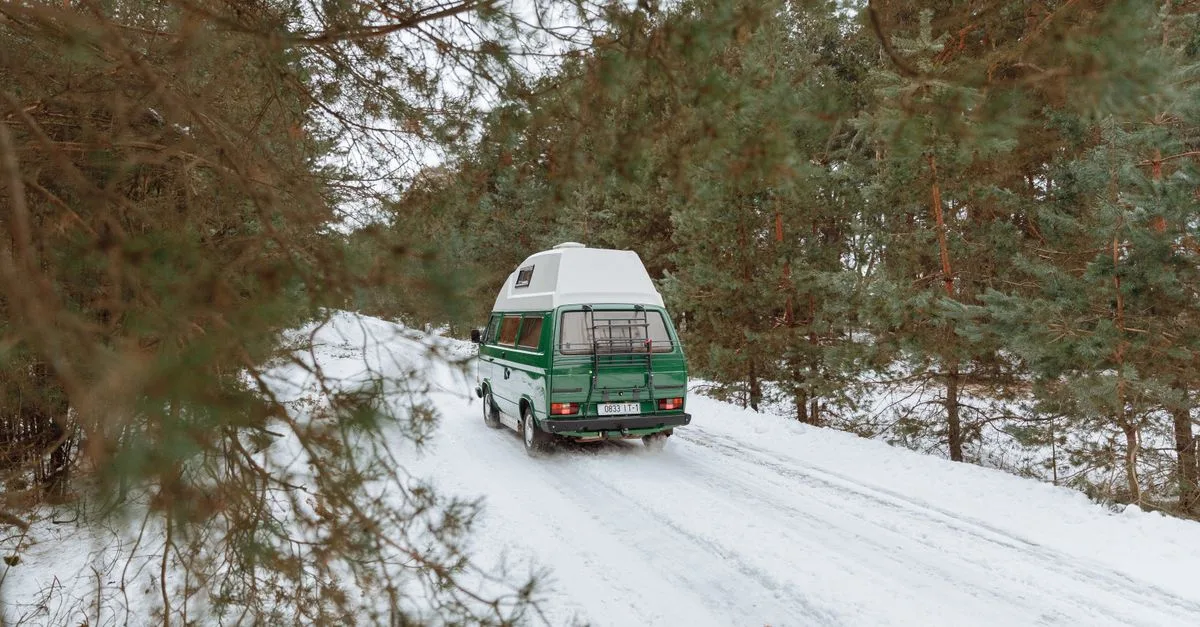
On a ski trip in a van, a friend woke to a bank that would not take solar despite bright sun. The air was 20 degrees Fahrenheit and the battery sat in an uninsulated under bench bay.
By midmorning the bay warmed above freezing and the solar poured in normally. The next season he moved the battery inside an insulated box near the heater ducting, and the cutoff never tripped again on the same trips. Nothing about the battery changed. Its environment did.
The takeaway
The low temperature cutoff is a friend in disguise. It refuses a cold charge because a cold charge would quietly wreck your investment. Plan for winter with a heated battery or a warmer bay, and store the pack correctly in the off season using the steps in storing lithium over winter, and cold weather becomes a manageable detail rather than a threat to your power.
Heated batteries versus warming the bay
Two strategies keep you charging in winter, and they suit different rigs. A self heating battery has pads inside that draw a little power to warm the cells above freezing before accepting charge. It is tidy and automatic, and it shines for people who camp in the cold often.
Warming the whole battery area is the other route. Moving the bank inside an insulated cabinet near the cabin heat, rather than an exposed outside bay, often keeps the cells above freezing on its own. A small thermostatically controlled pad under the battery adds a safety margin for hard freezes.
For occasional cold trips, an insulated bay is usually enough and costs almost nothing. For regular winter travel, a self heating battery removes the guesswork.
Watch the cell temperature, not the forecast
The cutoff reacts to the temperature inside the battery, which lags the air by hours. A pack that was warm at bedtime can dip below freezing by dawn, then slowly climb back once the sun hits.
Many lithium batteries now report cell temperature over Bluetooth, and it is worth watching on a cold morning. You will often see the pack sitting a few degrees above the outside air thanks to its own mass and any insulation. Knowing that real number, rather than guessing from the weather app, tells you exactly when charging will resume and whether your winter setup is doing its job.
Planning a winter trip
If cold camping is your plan rather than an accident, a little preparation removes the drama. Decide before you leave how the battery will stay warm: a self heating model, an insulated interior location, or a small heating pad on a thermostat.
Then think about your charging window. On a cold trip the battery may only accept charge during the warmer middle of the day, so plan to do the bulk of your solar and driving charge then. Running the engine or a generator in the afternoon, once the cells have warmed, is far more effective than trying at dawn.
It also helps to keep the bank fuller in winter. A battery with plenty of charge has less need to accept a risky cold charge, and it rides out a long freezing night with room to spare. Combine a warm location, a sensible charging window, and a healthy state of charge, and the low temperature cutoff becomes a feature you rarely even notice. The people who struggle with lithium in winter are almost always the ones who never planned for the cold in the first place.