I get some version of this question almost every week from someone standing on their van roof with a tape measure. Flexible or rigid, which one should actually go up there? The truth is I have installed both more than a dozen times each, and the right answer depends entirely on your roof shape, your budget, and how long you plan to keep the rig.
The quick version
- Rigid glass panels last longer (often 20+ years) and cost less per watt, but they are heavy, require standoff brackets, and need a reasonably flat mounting surface.
- Flexible panels weigh a third as much and can curve to fit odd roof shapes, but they run hotter, degrade faster, and typically need replacing in 5 to 8 years.
- For most van and RV builds with a flat-ish roof, rigid panels are the better long-term value even though they look bulkier.
- For boats, pop-up campers, and anywhere weight or curvature rules out a frame, flexible panels solve a real problem worth the tradeoff.
- Whichever you choose, proper wiring into your solar charging setup for lithium matters more to total output than the panel type itself.
What “flexible” and “rigid” actually mean
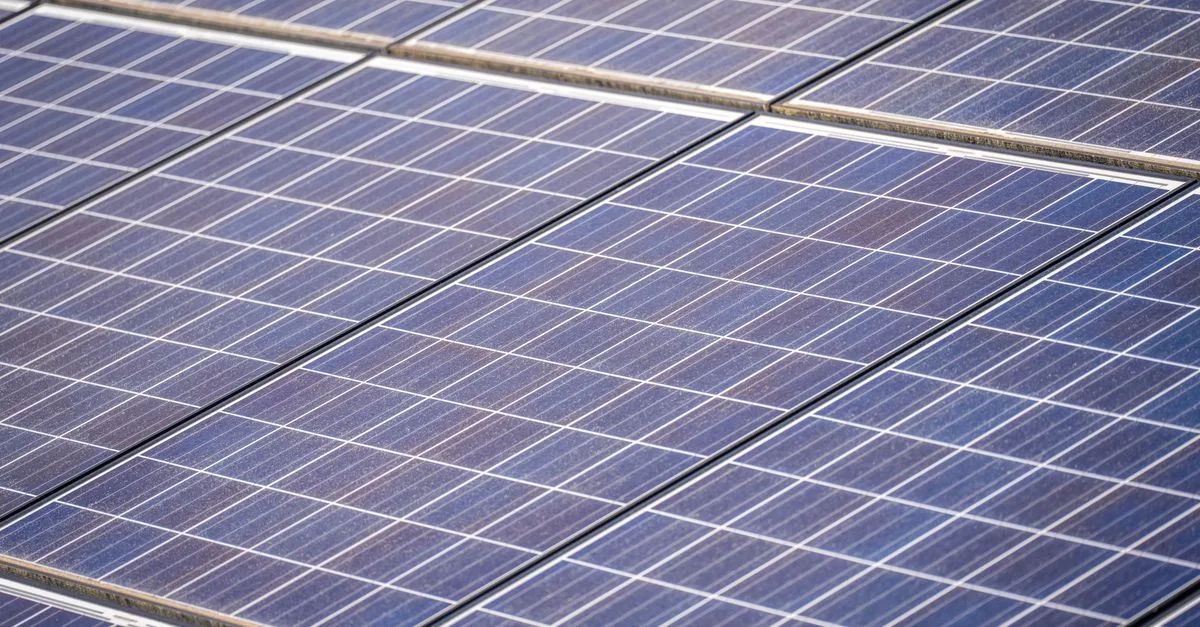
Rigid panels are what most people picture when they think solar: an aluminum frame, tempered glass front, and monocrystalline or polycrystalline cells sealed inside. They are essentially miniature versions of residential rooftop panels, just sized down for RV and marine use, typically 100 to 200 watts.
Flexible panels ditch the glass and frame entirely. The cells sit inside a laminate of ETFE or similar polymer film, which is what lets the whole panel bend up to about 30 degrees of curve. Brands like Renogy, HQST, and Newpowa all sell flexible versions alongside their rigid lineups.
The construction difference is the whole story here. Everything else, weight, heat tolerance, lifespan, and price, flows directly from whether there is glass and a frame or just a thin laminate skin.
Weight and mounting: where flexible wins clearly
A 200 watt rigid panel weighs around 25 to 30 pounds. The equivalent flexible panel weighs closer to 6 to 9 pounds. On a Sprinter or Transit build where you are already fighting GVWR after adding a lithium bank, insulation, and cabinetry, that difference across four or five panels adds up to real payload.
Mounting is where the gap widens further. Rigid panels need Z-brackets or a rail system lifting them an inch or two off the roof, which means more roof penetrations, more sealant joints, and more places for a leak to start. Flexible panels can be glued down with VHB tape or specific solar adhesive like Eternabond, sometimes with zero screws at all.
Tip: If you do go adhesive-only on flexible panels, use the panel manufacturer’s specified adhesive, not generic construction glue. Cheap adhesive fails in direct sun within a season, and I have seen a panel peel halfway off at 65 mph on I-70.
Heat, airflow, and why lifespan differs so much
This is the part most buyers do not find out until year three. Rigid panels sit on standoffs with an air gap underneath, so wind passing under the frame carries heat away. Solar cells lose efficiency as they heat up, roughly 0.3 to 0.5 percent per degree Celsius above 25C, so that airflow is not cosmetic, it is protecting your output.
Flexible panels glued flat to a roof have nowhere for heat to go. On a black-topped van roof in Arizona in July, I have measured surface temps under a flexible panel pushing past 160F. That sustained heat is the main reason flexible panels see faster cell delamination and output drop-off.
A mistake I see constantly is someone gluing a flexible panel directly onto dark fiberglass with no gap at all, then wondering three summers later why their charge controller shows 140 watts from a panel rated at 200. The panel did not fail, it just cooked slowly.
Price per watt and total cost of ownership
Rigid panels are simply cheaper to manufacture, and it shows. A 200 watt rigid panel from Renogy commonly runs $150 to $220. A comparable flexible panel from the same tier of brand runs $220 to $320, sometimes more for high-efficiency SunPower cell versions.
Where the math gets interesting is lifespan. If a rigid panel lasts 20 years and a flexible one lasts 6, you may replace the flexible panel three times over that span. Run the numbers on your actual timeline before assuming flexible is the budget pick, because over a decade it usually is not.
| Factor | Rigid panel | Flexible panel |
|---|---|---|
| Typical weight (200W) | 25-30 lbs | 6-9 lbs |
| Price per watt | $0.75-$1.10 | $1.10-$1.60 |
| Expected lifespan | 15-25 years | 5-8 years |
| Mounting method | Brackets, screws, air gap | Adhesive or low-profile screws |
| Curved surface fit | No | Up to ~30 degrees |
| Heat-related output loss | Low | Moderate to high |
How much power you actually get in practice
Rated wattage on the spec sheet is measured under lab conditions that your roof will never see. Real-world output depends far more on shading, tilt angle, and battery state of charge than on flexible versus rigid construction.
That said, all else equal, a rigid panel running cooler will edge out a flexible panel of the same rating during peak sun hours, often by 5 to 10 percent once both have baked in the sun for a few hours. If you are trying to figure out how much solar you actually need to charge your lithium bank, factor that real-world derate in rather than trusting the sticker number alone.
Which roof situations call for which panel
For a standard cargo van or truck camper with a flat-enough roof, I default to rigid every time. The weight penalty is manageable, the lifespan is dramatically better, and you avoid the whole adhesive-failure risk category entirely.
For sailboats, pontoon boats, pop-up campers, and any roof with real curvature, flexible panels solve a problem rigid panels cannot. You are trading lifespan for the ability to capture watts on a surface that would otherwise sit bare.
- Flat or near-flat roof with room for standoffs: go rigid
- Curved bimini, kayak deck, or pop-up roof: go flexible
- Weight-sensitive build near GVWR limit: consider flexible despite the shorter lifespan
- Planning to keep the rig 10+ years: rigid pays for itself
- Budget is the only factor and roof is flat: rigid wins on both cost and longevity
Some builders split the difference by running two or three rigid panels on the flat center of the roof and one small flexible panel wrapped around a vent or AC unit to squeeze out extra watts. That hybrid approach is more work but genuinely effective if you are already deciding between portable and rooftop solar for the rest of your array.
A real scenario: two vans, same battery bank
Two friends of mine built out Transits the same year, both running a 300Ah Battle Born-equivalent lithium bank. One went with 400 watts of rigid panels on standoffs, the other went full flexible to save weight for his overlanding rig.
Four years later, the rigid setup is still producing within 5 percent of day-one output. The flexible setup has one panel showing visible delamination lines and about 20 percent output loss, likely from a summer spent parked nose-first into direct Nevada sun with poor ventilation underneath.
Neither builder regrets his choice. The overlander needed the weight savings for his suspension and tire rating, and he knew going in he would likely swap panels around year six or seven.
Installation details that matter either way
Regardless of which type you choose, use MC4 connectors rated for outdoor use, run wiring through a sealed cable gland, and follow ABYC guidance if this is a marine install. Undersized wire gauge between panel and charge controller costs you more real-world watts than the flexible-versus-rigid debate ever will.
Warning: Never walk directly on flexible panels assuming they flex safely under foot pressure the way marketing photos suggest. Point loads from a boot heel can crack cells internally even though the surface looks fine, and you will not notice the output drop until weeks later.
If I am wiring a flat-roofed van for someone doing full-time travel, I hand them rigid panels almost without hesitation, because the math on lifespan and cost per watt works out better over time. But I have also glued flexible panels onto a curved bimini top where a rigid frame simply was not an option, and that panel earned its keep every single day it was up there. Match the panel to your roof and your timeline, not to whichever one looks more modern in a forum photo, and you will end up happy with either choice.