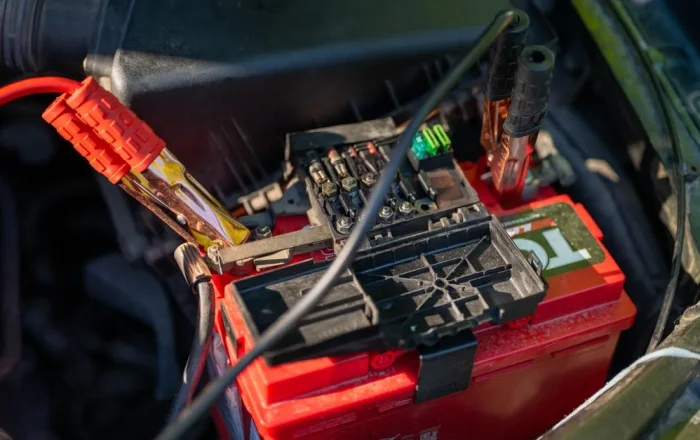

The first time I helped a friend swap her travel trailer’s dead Group 24 battery, we stood in the parts store aisle staring at a wall of boxes labeled 24, 27, 31, 4D and 8D like it was some secret code. It is not a battery spec at all. It is a shelf-fit standard, and it has nothing to do with amp hours, voltage or chemistry.
If you are shopping for a lithium replacement and keep seeing “Group 27” or “Group 31” in listings, this article untangles what that number actually tells you, and more importantly what it does not.
What a battery group size actually means
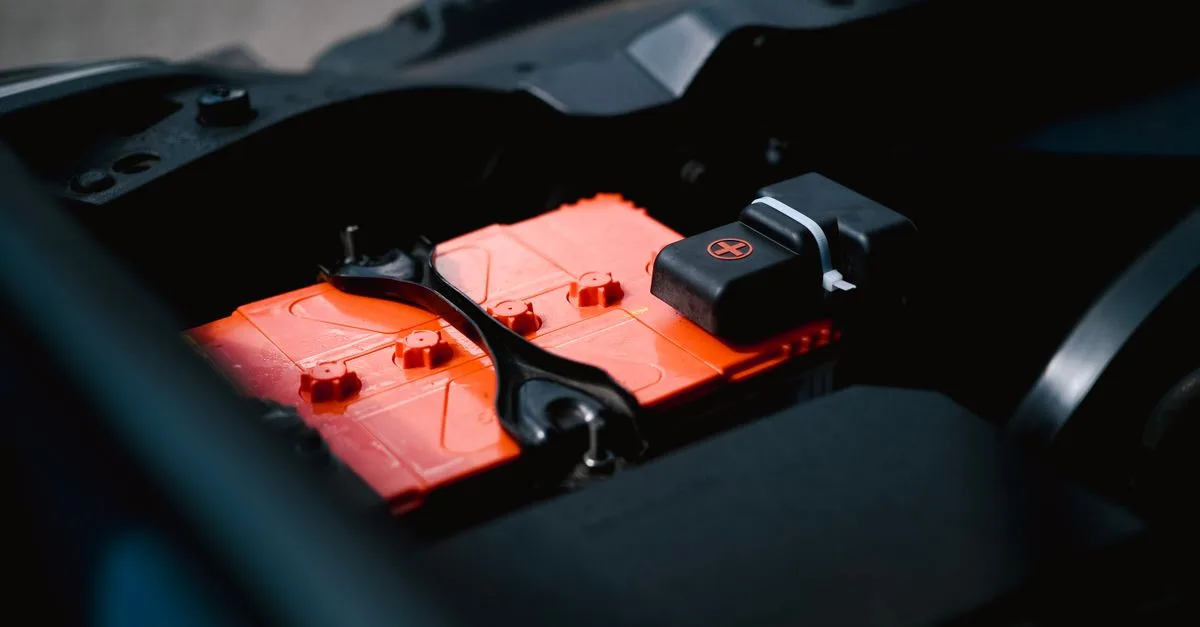
Battery Council International (BCI) created group sizes decades ago so that a battery from any manufacturer would physically fit the same tray, box and hold-down hardware. A Group 24 from Duracell and a Group 24 from Interstate will be nearly identical in length, width and height, even though their internal chemistry, plate design and capacity can differ a lot.
Think of it like shoe sizes. A size 10 shoe fits a size 10 foot regardless of brand, but that number tells you nothing about whether it is a running shoe or a work boot. Group size is purely about the footprint.
Note: Group size numbers come from a published BCI chart, but manufacturers round dimensions slightly, so always confirm exact measurements before ordering, especially for a tight factory compartment.
The common sizes you will actually run into
For RVs, vans and boats, three sizes cover the vast majority of installs.
- Group 24: roughly 10.25 in long x 6.8 in wide x 8.9 in tall. Common in smaller travel trailers, pop-up campers and some sailboats.
- Group 27: roughly 12.1 in long x 6.8 in wide x 8.9 in tall. The most popular size for Class B vans and mid-size trailers, about 2 inches longer than a Group 24 with the same width and height.
- Group 31: roughly 13 in long x 6.8 in wide x 9.4 in tall. Common in Class A and Class C motorhomes, larger sailboats, and DIY van builds that want maximum capacity in one box.
There is also 4D and 8D, which are much larger commercial sizes you will see on bigger motorhomes and larger boats, but most van and trailer conversions never need to go that big once lithium is in the mix.
Why the same group number holds very different capacity
Here is where the confusion really starts. A Group 27 lead-acid battery is usually rated somewhere between 90 and 105Ah. A Group 27 lithium battery, like Battle Born’s 100Ah GC3 or a comparable Li Time or Ampere Time unit, is also rated around 100Ah.
On paper those look identical. In practice they are nothing alike, because lead-acid should never be discharged past 50 percent without shortening its life significantly, while LiFePO4 can be safely run down to 10-20 percent state of charge routinely. So that “same size” 100Ah lithium battery gives you roughly 80-90Ah of real, usable power compared to about 45-50Ah from the lead-acid version in the identical box.
This is the whole reason people talk about lithium giving you “double the power” in the same footprint. It is not a marketing trick, it comes directly from depth of discharge math.
A real swap: Group 27 AGM to Group 27 lithium
A guy I worked with had a Ford Transit build with two Group 27 AGM batteries wired in parallel for 200Ah total, giving him roughly 100Ah usable. He wanted to go lithium but was worried about fitting anything into the same cabinet he had built the interior around.
We measured his tray at 12.25 x 7 x 9.1 inches, comfortably inside Group 27 spec. He ended up with a single 100Ah Group 27 lithium battery replacing both AGMs, cutting his weight by about 55 pounds and nearly doubling his usable capacity to around 90Ah, all in half the physical space his old bank occupied. That is the kind of upside that makes the group size conversation worth understanding instead of skipping past.
Common mistake: buying by group number alone
A mistake I see constantly is someone reading “Group 31” on their old battery, then ordering a Group 31 lithium without ever pulling a tape measure. Group size charts are guidelines, not guarantees, and manufacturers vary slightly.
Warning: Some Group 31 lithium batteries run half an inch taller than the lead-acid standard because internal BMS electronics need clearance. That half inch is enough to keep a battery box lid from closing, so always check listed dimensions against your actual cavity, not just the group label.
It only takes five minutes to measure your existing tray with a tape measure and jot down length, width and height before you shop. Compare those numbers against the spec sheet of the specific lithium battery you are considering, covered in more depth in how to read a lithium battery spec sheet, rather than trusting the group number alone.
Does hold-down hardware still work?
Most factory hold-down brackets and straps are sized for a specific group, so moving up even one size, say from Group 24 to Group 27, may mean your existing strap will not reach. This matters more than people expect, because ABYC guidelines (and DOT regulations for road use) require batteries to be secured against movement in a collision or rough water, not just sitting loose in a box.
If you are upsizing, budget for a new strap or an adjustable hold-down kit, usually $15-30, rather than forcing an old one to stretch. A battery that shifts under braking is a real hazard, not a theoretical one.
When to size up or size down
Because lithium’s usable capacity is so much higher pound for pound, a lot of owners can actually downsize. Someone running two Group 31 AGMs (roughly 220Ah usable from 440Ah rated) can often replace that entire bank with a single Group 31 or even Group 27 lithium battery and end up with similar or better usable capacity.
If you are still working out how much capacity you actually need before picking a size, it is worth reading through how many amp hours you actually need first, since that number should drive your group size choice, not the other way around. It also helps to understand why lithium gives you nearly double the usable power of a lead-acid battery in the same case, since that is the math behind most downsizing decisions.
Quick reference before you buy
| Group Size | Approx. Dimensions (L x W x H) | Typical Use |
|---|---|---|
| Group 24 | 10.25 x 6.8 x 8.9 in | Small trailers, pop-ups, sailboats |
| Group 27 | 12.1 x 6.8 x 8.9 in | Class B vans, mid-size trailers |
| Group 31 | 13 x 6.8 x 9.4 in | Class A/C motorhomes, larger boats, DIY builds |
These are close approximations pulled from the general BCI battery group size standard, and individual brands will vary by a fraction of an inch, so treat this table as a starting point, not a final measurement.
If you are early in the process and still deciding whether lithium is worth the jump at all before you even think about box sizes, our LiFePO4 vs lead acid comparison is a good place to start. Group size is honestly one of the easier parts of a lithium conversion once you know what the number is really telling you: not power, not chemistry, just how big a box you need to find room for. Measure twice, check the actual spec sheet for the battery you want, and you will avoid the most common headache in this whole process.