The first time a customer asked me why his brand new 100 amp hour lithium battery seemed to run his fridge and lights longer than the 200 amp hour AGM bank it replaced, I gave him the short answer: depth of discharge. Then I watched his eyes glaze over, because that phrase means nothing until you see it on paper. So let’s put it on paper.
The quick version
- Usable capacity is what you can actually pull from a battery before it needs a recharge, not the number printed on the case.
- Lead-acid and AGM batteries are only safe to discharge to about 50% state of charge, so a 100Ah AGM gives roughly 50 usable amp hours.
- LiFePO4 batteries tolerate 80-90% depth of discharge without meaningful damage, so a 100Ah lithium battery gives 80-90 usable amp hours.
- This is why a 100Ah lithium bank can replace a 200Ah AGM bank and still leave you with more usable power.
- Usable capacity also depends on your battery monitor calibration, temperature, and how you actually use the bank day to day.
What “amp hours” actually promises you
An amp hour rating is a manufacturer’s claim about total stored energy under lab conditions, usually a 20-hour discharge rate down to a specific cutoff voltage. It is not a promise about how much of that energy you get to use in daily life.
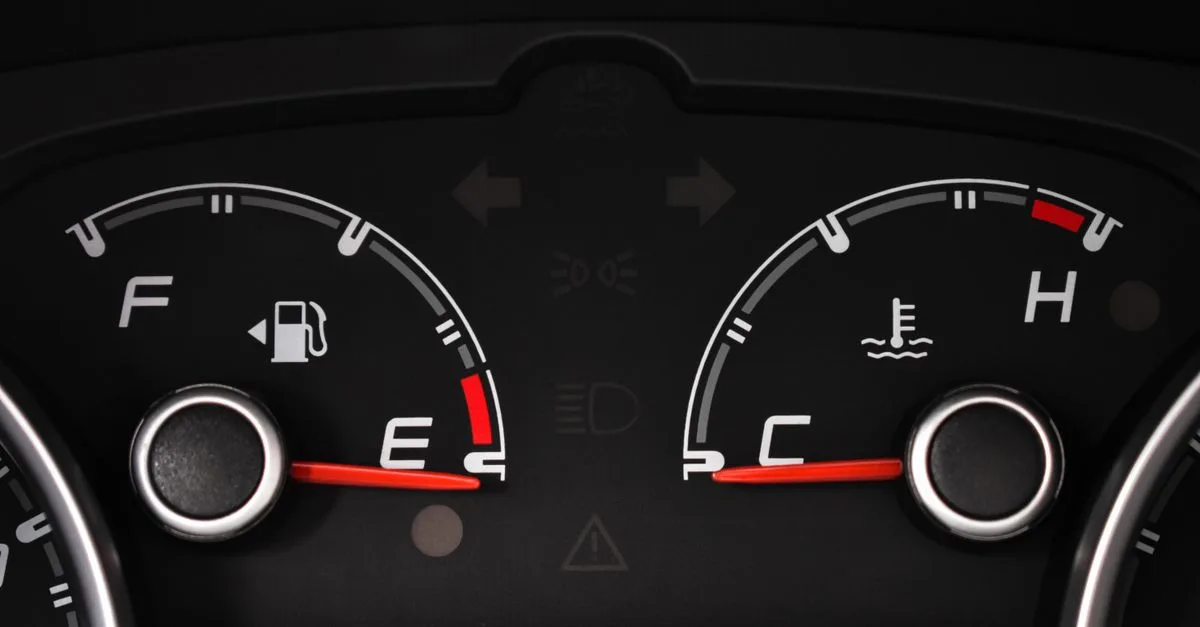
Think of it like a gas tank that says 20 gallons but the manufacturer expects you to always stop refueling with 10 gallons still in the tank, forever, or the tank wears out early. That is exactly what lead-acid asks of you.
Lithium does not carry that penalty in nearly the same way, and that single fact reshapes every sizing decision you make for a camper, van, or boat.
Depth of discharge, the number that actually matters
Depth of discharge, or DoD, is the percentage of a battery’s total capacity you draw down before recharging. A battery discharged to 30% state of charge has been through 70% DoD.
Flooded lead-acid batteries start losing serious cycle life past 50% DoD. Pull them down to 20% state of charge regularly and you might get 200 cycles instead of 800. AGM batteries are a bit more forgiving but follow the same curve.
LiFePO4 cells behave completely differently. Battle Born, for example, rates its 100Ah battery for thousands of cycles at 100% DoD, though most manufacturers still recommend stopping around 10-20% state of charge to protect the battery management system and squeeze out maximum cycle life.
Note: “100% DoD rated” does not mean you should run it to zero every single day if you want the battery to last the full 3000-6000 cycle lifespan manufacturers advertise. It means the chemistry can handle it without the dramatic cycle-life collapse lead-acid suffers.
The math, side by side
Numbers make this concrete faster than any explanation. Here is a straightforward comparison at a 100Ah rating for both chemistries, assuming reasonable, battery-friendly charging habits.
| Battery type | Rated capacity | Safe DoD | Usable amp hours |
|---|---|---|---|
| Flooded lead-acid | 100Ah | ~50% | 50Ah |
| AGM (e.g. Lifeline, VMAX) | 100Ah | ~50% | 50Ah |
| LiFePO4 (e.g. Battle Born, Li Time) | 100Ah | 80-90% | 80-90Ah |
That is why a 200Ah AGM bank, giving you around 100 usable amp hours, gets matched or beaten by a single 100Ah lithium battery in a lot of real-world builds. I have swapped more than one dual-AGM setup for a single Li Time or Ampere Time 100Ah drop-in and had the owner report more usable power, not less, even though the sticker number on the box went down.
A real scenario: the Class B van rebuild
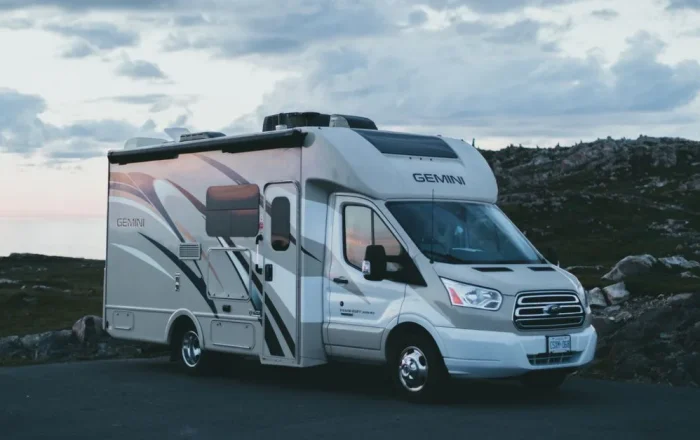
A couple I worked with owned a Class B van with two Group 27 AGM batteries wired in parallel, 100Ah combined rating. On paper they had 100 amp hours. In practice they were babying the bank down to 50% and still watching their fridge alarm chirp by day two of dry camping.
We replaced both AGMs with a single 100Ah LiFePO4 battery. Same footprint roughly, about 31 pounds instead of 120. Their actual usable capacity nearly doubled even though the rated number stayed identical, because they could now safely pull the battery down to 15-20% state of charge instead of 50%.
They gained an extra full day of boondocking without touching their solar setup or generator. That is the usable capacity story in miniature, and it is the number one reason I point skeptical customers toward lithium even when the sticker price makes them wince.
Where the “twice the power” claim gets oversold
A mistake I see constantly in online forums is people treating “twice the usable capacity” as a fixed law rather than a rule of thumb. It depends on how conservative your lead-acid habits were and how deep you actually run your lithium bank.
If someone was already running their AGM down to 30% state of charge (shortening its life significantly, but doing it anyway), the jump to lithium looks smaller on paper, maybe 1.5x instead of 2x. And if you baby your lithium bank and never go below 50% state of charge either, you are leaving usable capacity on the table by choice.
The honest framing: LiFePO4 lets you safely use 80-90% of the rated capacity where lead-acid safely allows 50%. What you actually choose to use day to day is up to you and your risk tolerance for cycle life.
Why your battery monitor might disagree with the spec sheet
Install a shunt-based monitor like a Victron SmartShunt or a Renogy DCC unit and you will start seeing your bank’s real usable capacity, not the marketing number. It is common for this reading to land a few amp hours under the rated spec.
That gap usually comes from a few sources: the discharge rate you actually use versus the 20-hour test rate on the spec sheet, ambient temperature, and voltage sag under heavy load like an inverter running a microwave. None of that means your battery is defective.
Resync your monitor periodically by letting the battery reach a true 100% charge (absorption complete, current tapering to near zero) so the state of charge percentage stays accurate over time.
Sizing your bank around usable capacity, not sticker capacity
When you are figuring out how many amp hours you actually need, always size around usable capacity, not the number on the battery case. A 200Ah lithium bank at 85% usable DoD gives you roughly 170 usable amp hours, plenty for most full-time van setups running a compressor fridge, lighting, water pump, and laptop charging.
If you are still deciding between chemistries entirely, our LiFePO4 vs AGM comparison walks through the tradeoffs beyond just usable capacity, including price, weight, and charging speed. And once you have a number in mind, what a lithium battery bank really costs breaks down real pricing so you can budget against the usable capacity you are actually buying.
For the full chemistry comparison that started this whole usable capacity conversation, our LiFePO4 vs lead-acid guide covers cycle life, weight, and total cost of ownership in one place.
Practical takeaways for your build
- Calculate your daily amp hour draw first, then divide by 0.8 (not 0.5) if you are sizing a LiFePO4 bank.
- Set your battery monitor’s low voltage or low state of charge alarm around 15-20% to protect cycle life without sacrificing much usable capacity.
- Don’t assume every lithium battery hits 90% usable DoD. Check the manufacturer’s own spec sheet, since some budget brands rate more conservatively.
- Resync your monitor monthly by charging to a true 100% so your usable capacity readout stays honest.
- When comparing two batteries, always compare usable amp hours, not rated amp hours, or you will end up oversizing and overpaying.
Once you actually see the numbers side by side, the appeal of lithium stops being about marketing and starts being about arithmetic. You are not paying for a bigger battery, you are paying to actually use the battery you already have. For most people converting a van, RV, or boat, that difference alone covers a meaningful chunk of the upgrade cost within the first year or two of not running the generator as often. According to Battery University’s research on lithium-ion aging, deep discharge cycling within a chemistry’s rated range has far less impact on lifespan than people assume, which is exactly why LiFePO4 manufacturers feel comfortable rating such high usable DoD in the first place.