
Lithium recharges in a fraction of the time lead acid needs, and that speed is a big part of why people switch. Ask how fast it can actually go and the honest answer is: faster than most setups can deliver, up to a clear limit set by the battery.
The number that matters is the charge rate, and once you understand it, planning a fast recharge becomes simple math.
What C rate means
Charge rate is described as a C rate, which is just the current compared to the battery capacity. A 1C rate on a 100 amp hour battery is 100 amps. A 0.5C rate is 50 amps. A 0.2C rate is 20 amps.
Most drop in LiFePO4 batteries are rated for a maximum continuous charge around 0.5C, with many allowing a brief 1C. So a single 100 amp hour battery usually accepts 50 amps all day and can take 100 amps for a short push. The exact ceiling is set by the internal battery management system, which is the same brain discussed in the lithium charge profile.
Short answer: Plan around 0.5C for a safe, quick charge. That is 50 amps for a 100 amp hour bank, or 100 amps for a 200 amp hour bank.
Why lithium accepts current so eagerly
Lead acid slows itself down. As it fills, its internal resistance rises and it refuses to accept full current well before it is full, which is why the last 20 percent crawls.
Lithium does not do this. LiFePO4 takes near full current right up to the top, then stops sharply. That is why a lithium bank can go from 30 percent to full in roughly an hour on a strong charger, while the same job on lead acid drags for four or five hours.
The real limit is usually your gear
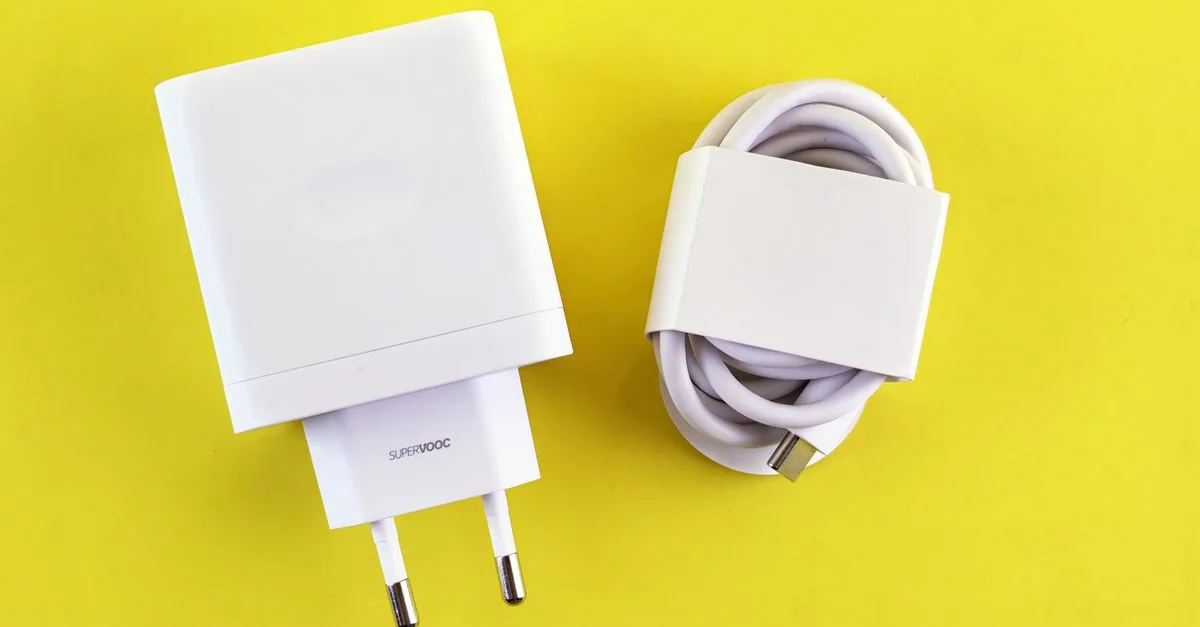
Here is the part that surprises people. The battery is rarely what slows you down. Your charger amps, cable gauge, and connections set the pace.
A 200 amp hour bank might be rated to accept 100 amps, but if your converter only puts out 45 amps, you charge at 45 amps. Solar has the same ceiling. To hit high charge rates you need a big charge source, thick cable, and short runs, all of which tie back to matching the charger to the bank, covered in converter versus inverter charger.
Do the quick math
To estimate recharge time, take the amp hours you need to replace and divide by your charge current. Replacing 100 amp hours at 50 amps takes about two hours plus a short top off. Replacing the same 100 amp hours at 20 amps takes five hours. Simple and useful for trip planning.
When fast charging is a bad idea
Two situations call for restraint. The first is cold. Charging LiFePO4 below freezing can plate the cells and cause permanent damage no matter how gentle the rate, which is why most banks refuse a cold charge. That whole topic is covered in charging lithium below freezing.
The second is heat. A battery already warm from a hot bay does not love a full 1C blast. In summer, easing back toward 0.3C keeps temperatures sensible and adds cycles over the years.
Tip: If you want maximum speed, cool the battery bay and stay within the rated rate. Speed and heat together are what age a pack, not speed alone.
A field example
On a van with a 200 amp hour bank and a 60 amp DC to DC charger, an hour of highway driving from 50 percent brought the pack back to nearly full. The battery could have taken more, but 60 amps was all the alternator path delivered, and that was plenty for real travel.
That is the pattern most people land on. The battery is ready to sprint, and you feed it as fast as your charger and wiring comfortably allow. Match a sensible charge source to a healthy bank and lithium rewards you with recharge times that make lead acid feel like a different century.
Speed from each charging source
Real recharge speed depends on where the power comes from, and each source has a natural ceiling. Shore power runs through your converter, so a 45 amp lithium converter charges at 45 amps no matter how eager the battery is. Upgrading the converter is the usual way to charge faster on a pedestal.
Solar is capped by the array and the sun. A 400 watt array peaks near 25 to 30 amps at noon and far less morning and evening, so solar is steady rather than fast. It is superb for topping up over a day but will not blast a bank full in an hour.
The alternator path through a DC to DC charger sits in between. A 40 or 60 amp unit gives a strong charge while you drive, and an hour of highway time can return a serious chunk of capacity.
Balancing speed against battery life
Because lithium accepts current so willingly, it is tempting to always charge as fast as possible. Over thousands of cycles, though, gentler is kinder. Heat is the real enemy, and heat rises with both charge rate and ambient temperature.
A practical rule is to let the battery sprint when it needs to, such as a quick top up before leaving a campsite, and cruise the rest of the time. Charging a warm summer bank at a relaxed 0.3C rather than a hard 1C keeps temperatures sensible and adds cycles you will appreciate years later. The battery does not mind the occasional fast charge. It is the constant hard, hot charging that shortens its life.
Reading your charge current
A battery monitor with a shunt turns all of this from theory into something you can watch. It shows the exact current flowing in, so you can see whether your bank is charging at 20 amps or 60, and whether it tapers the way a healthy lithium pack should.
That visibility is genuinely useful on the road. If you expected 50 amps from a new converter and the monitor shows 30, you have caught a problem, perhaps a voltage drop or a setting, before it costs you a full recharge. If the current holds strong and then drops sharply near the top, you are watching lithium do exactly what it does best.
Over time you learn your system’s normal fingerprint. You come to know that an hour of driving returns a certain amount, that a bright afternoon of solar adds another, and that a shore power session fills the rest. Those numbers become second nature, and trip planning stops being a guess. The charge rate stops being a spec on a box and becomes a live reading you glance at and understand, which is the whole point of building a system you can trust.