When people ask why their lithium bank behaves oddly on a charger, the answer is almost always the charge profile. It is the sequence of stages a charger steps through, and lithium wants a different sequence than the lead acid battery your charger was probably designed around.
Once you can picture the three main stages, the numbers on a charger screen stop being a mystery and start telling you a clear story.
Stage one: bulk
Bulk is the fast part. The charger pours in as much current as it can while the battery voltage climbs. A 50 amp converter feeding a hungry bank will sit at its full 50 amps here, and the pack drinks it up.
What makes lithium special is how flat its voltage stays during bulk. A LiFePO4 cell holds a steady voltage across most of its range, so a 12 volt bank might read around 13.2 to 13.4 volts even while it is only half full. That flat curve is why a plain voltmeter is a poor fuel gauge, a point covered in the guide on why lithium gives you more usable power.
Stage two: absorption
When the pack reaches the target voltage, usually about 14.2 to 14.6 volts for a 12 volt system, the charger switches to absorption. Now it holds that voltage steady and lets the current taper as the last bit of capacity fills in.
Here is the big difference from lead acid. Lithium accepts current almost all the way to full, so absorption is short. The current drops off a cliff and the stage ends in well under an hour. A charger that insists on a long fixed absorption is running a lead acid recipe. The full detail on the numbers lives in why lithium needs less absorption time.
Tip: If your charger lets you set absorption time, 30 minutes is plenty for most lithium banks. Anything past an hour is just holding a full battery at a high voltage for no benefit.
Stage three: float or storage
Lead acid needs a constant float to fight its natural self discharge. Lithium does not. A LiFePO4 pack can sit for weeks and barely move.
So lithium profiles handle the third stage in one of two ways. Some drop to a gentle float around 13.4 to 13.6 volts, which does no harm. Others simply stop charging and only wake up if the voltage sags. Either approach is fine, and both are healthier for lithium than the aggressive float lead acid demands.
Putting the stages together
Imagine plugging in at a campground with the bank at 40 percent. The charger opens with bulk, holding full current while the voltage rises over the next hour or two. It hits 14.4 volts, flips to a short absorption, and the current melts away in minutes. Then it settles into float or shuts off, and your bank shows full.
Compare that to the same charger on lead acid, where bulk is slower to finish, absorption drags on for hours, and float never really lets go. Same three words, very different behavior.
Reading your charger like a pro
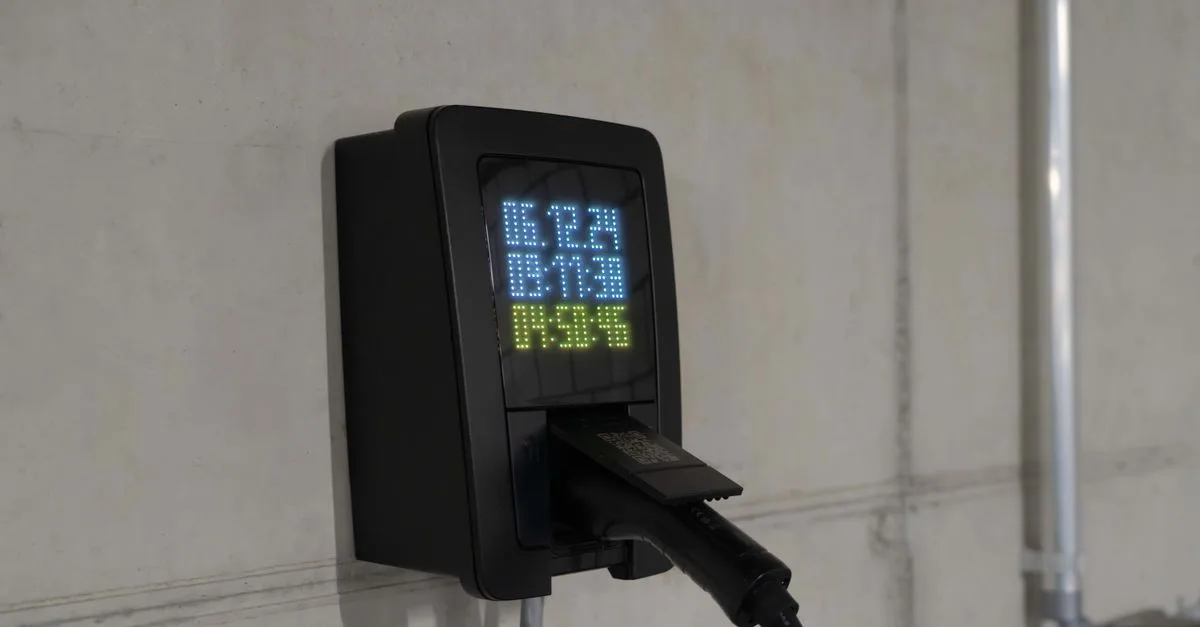
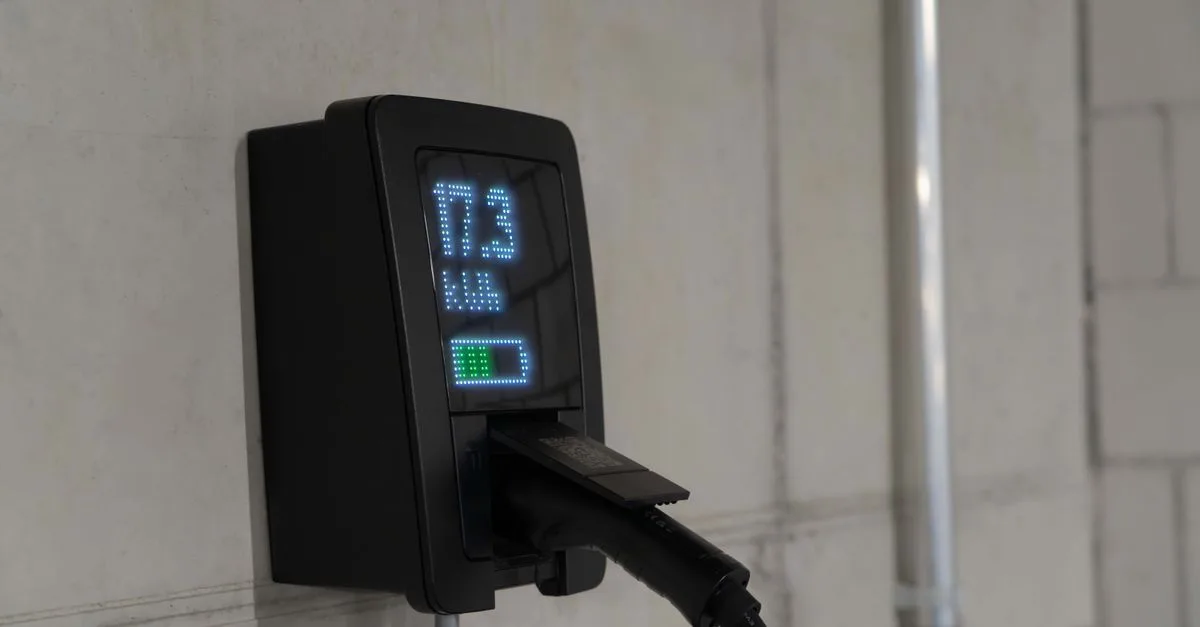
Most quality chargers show the active stage and the current. If you see full amps and a rising voltage, you are in bulk. If the voltage is pinned near 14.4 and the current is falling, you are in absorption. If the current is near zero and the voltage has dropped, you are done.
When those readings do not match what you expect, the profile is usually the culprit. A bank that stalls at 13.6 volts is running a lead acid float instead of a lithium bulk target, which is exactly the failure described in whether a lead acid charger can charge lithium.
Worth knowing: The specific voltages vary by brand. Battle Born, Victron, and Renogy all publish slightly different targets, so treat 14.4 volts as a typical figure and confirm yours in the manual.
The short version
Bulk pours in current, absorption tops off the last few percent quickly, and float either idles gently or steps aside. Lithium moves through this recipe faster and rests lower than lead acid, and a charger that respects those differences will keep your bank full and healthy for years.
Set the profile once, learn to read the stages, and your charger becomes a tool you understand rather than a box you hope is doing the right thing.
Setting the profile on real chargers
Knowing the stages is useful, but the payoff is setting them correctly on the gear you own. On a Victron unit, the app lets you pick a lithium preset or type in exact absorption and float voltages, then a short absorption time. On a Renogy controller, a LiFePO4 mode does the same with a preset you can usually fine tune.
Converters are simpler. Many lithium ready models have a single lithium switch or auto detect feature, so there is nothing to type, only a setting to confirm. The key in every case is entering the numbers your battery maker publishes, since a Battle Born and a budget pack may want slightly different targets.
Profiles for a bigger bank
The profile does not change when you add batteries in parallel. Four 100 amp hour batteries in parallel behave like one 400 amp hour battery and want the same voltages. What changes is the current, since a bigger bank can accept more amps, so the charge source often becomes the limit rather than the profile.
One quiet benefit of getting the profile right shows up over months. A bank charged to a sensible voltage and then allowed to rest, rather than held at a high float, ages more slowly and keeps its cells in better balance. The profile is not just about filling the battery today. It is about how healthy that battery still is a thousand cycles from now.
One profile mistake to avoid
The most damaging profile mistake is leaving an old lead acid equalization or desulfation stage switched on. That stage deliberately pushes a very high voltage to stir up a lead acid battery, and it has no place near lithium.
On a LiFePO4 pack, an equalization voltage held for hours stresses the cells and can trip the BMS. If your charger has an equalize or recondition setting, make sure it is turned off before you connect lithium. It is easy to miss, because it is usually buried in an advanced menu that shipped set for lead acid.
Beyond that, the profile is refreshingly low maintenance. Set the absorption voltage your battery maker lists, keep the absorption time short, and either use a gentle float or none at all. Then leave it alone. Lithium does not need the constant fussing lead acid demanded, and a correctly set profile will happily charge your bank the same way for years. The goal is to set it once, confirm it with a meter at the battery, and forget about it.