The first winter I spent parked at 8,000 feet outside Durango, I figured my 400 watts of rooftop solar would keep chugging along like it had all fall. By the second week of December I was running the generator every other morning just to keep the lithium bank above 50 percent. Nothing was broken. Winter solar just works differently, and almost nobody explains the actual mechanics before you learn them the hard way.
The quick version

- Short days and low sun angles can cut solar output 40 to 60 percent in northern latitudes during December and January.
- LiFePO4 batteries generally will not accept charge below 32 degrees Fahrenheit unless they have internal heating pads.
- Steep panel tilt toward the low winter sun recovers a surprising amount of lost output.
- Snow, frost, and short shadows from nearby trees or your own AC unit matter far more in winter than summer.
- A generator or shore power backup stops being optional once you are boondocking through genuinely cold, cloudy stretches.
Why winter sun produces so much less energy
Two things stack against you at once. The sun sits lower in the sky, so its light travels through more atmosphere before it reaches your panels, and the days themselves are shorter, sometimes by four or five hours compared to June.
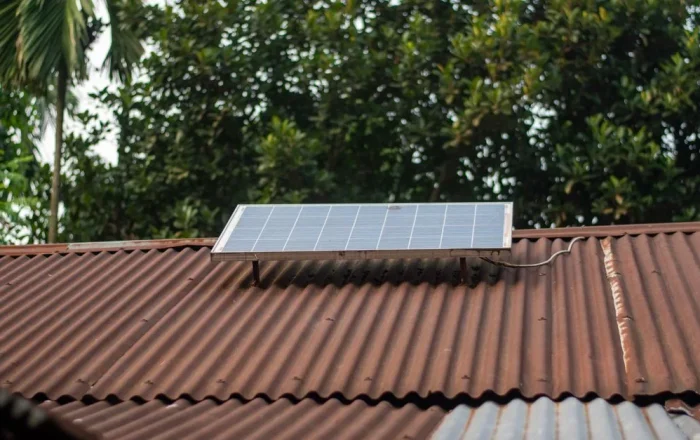
A flat rooftop panel, the kind on most vans and travel trailers, is optimized for a sun that is nearly overhead. In winter the sun might only reach 25 to 35 degrees above the horizon at solar noon in the northern half of the US, which means light hits that flat panel at a steep, inefficient angle most of the day.
Cold temperatures actually help the panels themselves. Solar cells are slightly more efficient in cold weather than in blazing summer heat, since heat reduces panel voltage output. That small bonus almost never makes up for the angle and daylight losses, but it is worth knowing so you do not assume cold automatically means worse solar performance across the board.
What actually happens to a lithium bank in freezing temperatures
This is the part that catches people off guard. Most LiFePO4 batteries, including popular brands like Battle Born, Li Time, and Ampere Time, have a built in battery management system that will not allow charging when internal cell temperature drops below roughly 32 degrees Fahrenheit.
Charging a lithium cell below freezing can cause lithium plating on the anode, a form of permanent internal damage that reduces capacity and can create safety risks. The BMS protects you from this by simply cutting off charge current, which is exactly what happened to my bank that December morning even though the sun was out and the controller showed input current.
Warning: If your battery has no internal heater and lives in an unheated compartment, a sunny but cold morning can leave your solar array producing power with nowhere for it to go. Check your battery’s datasheet for its minimum charge temperature before you assume solar will always top you off.
Batteries with internal heating pads, like the Battle Born Heated series or certain Li Time models, solve this by drawing a small amount of stored power to warm the cells before accepting charge. It is a smart feature if you winter camp regularly, though it does mean the battery burns a little of its own capacity just to wake itself up.
A real week of winter boondocking numbers
During that same Durango trip, I logged output from a 400 watt rooftop array paired with a Victron SmartSolar 100/30 controller. On a clear December day, peak production topped out around 180 watts for maybe two hours, versus 320 to 350 watts I regularly saw in October at the same site.
Total daily harvest ran 500 to 700 watt hours on clear days, compared to 1,800 to 2,200 watt hours in early fall. Two overcast days in a row dropped that to under 150 watt hours, barely enough to run the furnace fan and charge a laptop.
That gap is the whole story. Panels do not stop working, but the ceiling on what they can produce drops hard, and cloudy stretches that were a minor dip in summer become a real problem in winter.
The mistake I see constantly with panel angle
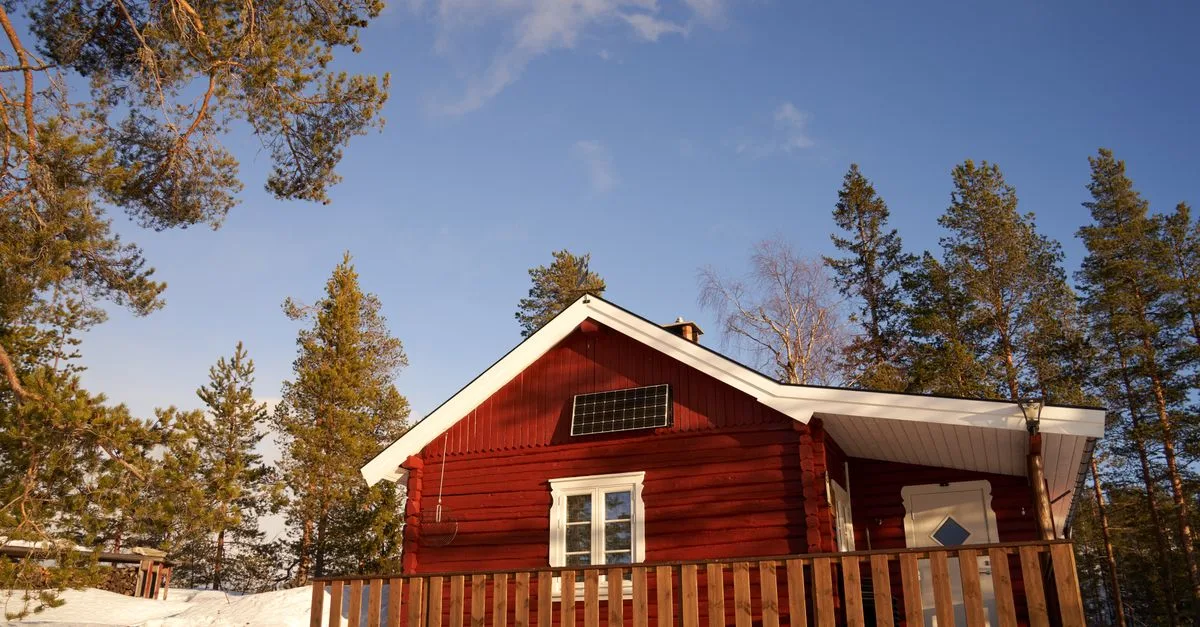
New owners assume a fixed rooftop panel is fine year round because it worked fine all summer. In winter, tilt is everything. A portable panel, propped at a steep angle and pointed south, can outproduce an equivalent flat rooftop panel by 30 percent or more on a clear winter day because it is catching that low sun much more directly.
If your rig has tilt legs or brackets on the rooftop array, use them. If it does not, a portable folding panel like a Renogy 200 watt suitcase kit, set up each morning at camp, is one of the highest value additions you can make for cold weather trips.
I now carry a 100 watt portable panel specifically as a winter supplement. It packs down small, and propping it against the ladder at a 60 degree angle facing south routinely outproduces two of my four rooftop panels combined on a clear January afternoon.
Snow, frost, and shading problems unique to cold weather
Frost on the panel surface in early morning blocks light almost as effectively as light cloud cover, and it can linger for an hour or two after sunrise depending on your site. A quick wipe with a soft brush before coffee is worth it.
Snow is worse. Even an inch of accumulation can drop output to nearly zero, and unlike rain it does not just run off. Dark, tilted panels tend to shed snow on their own once direct sun hits them, which is another point in favor of angling your array rather than leaving it flat.
Also watch your shadows. Trees that were bare and harmless in October can still throw long shadows in winter because the sun sits lower, and even a roof vent or AC unit can shade a meaningful chunk of a rooftop array for hours when the sun angle is shallow. Walk around your rig at different times of day before committing to a winter camp spot.
Building a realistic winter power plan
Treat solar as a supplement in winter, not your primary source, unless you are camped somewhere like southern Arizona or the Gulf Coast where sun angle and day length stay favorable. For most of the country, plan on a generator or shore power hookup as your main charge source from November through February.
- Check your battery’s minimum charge temperature and confirm whether it has an internal heater
- Add tilt capability or a portable panel to catch the lower winter sun angle
- Budget for 40 to 60 percent less daily solar harvest in northern latitudes
- Keep a generator or shore power plan ready for multi day cloudy stretches
- Insulate or lightly heat the battery compartment if it sits in an unheated bay
If you are still deciding how much panel wattage to run year round, our guide on how much solar to charge your lithium bank walks through the sizing math, and it is worth revisiting those numbers with winter’s reduced output in mind. For the controller side, our breakdown of MPPT versus PWM controllers for a lithium bank explains why an MPPT controller like the Victron SmartSolar matters even more in winter, since it squeezes extra output from low light that a PWM controller simply cannot use.
If you boondock through the colder months regularly, run the numbers again with our boondocking power guide, since usable watt hours can be less than a third of what you counted on in July. If you have not dialed in your charge settings yet, our article on solar controller settings for LiFePO4 covers the low temperature cutoff and absorption voltage settings that matter most once the mercury drops. For the full system, the complete solar charging setup guide is the place to start.
None of this means winter solar is a lost cause. It means you plan differently, angle aggressively, and keep a backup charging source ready instead of hoping the panels will carry you the way they did in August. Once you know what to expect, a cold sunny morning with steam rising off your coffee mug and the charge controller quietly topping off the bank feels less like luck and more like a system that is actually working the way you built it.
Sources worth checking directly include Victron’s lithium battery compatibility notes on low temperature charging, and the Wikipedia entry on lithium iron phosphate chemistry for the underlying reasons cold charging damages cells.